
Welcome to Solar 4 Scotland
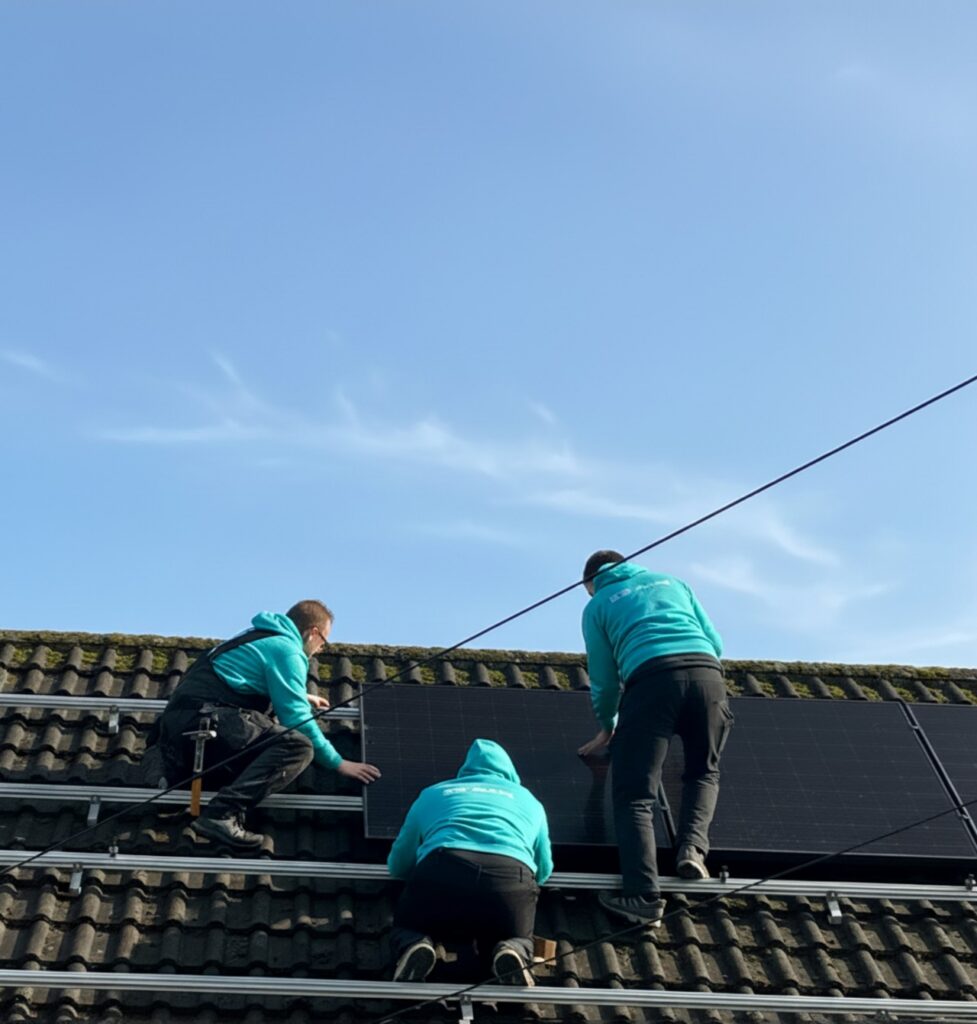
Here’s a quick preview of what we’ll cover:
Before diving into costs and savings, it’s worth understanding what you’re actually buying. Solar panels — properly called photovoltaic (PV) panels — are devices that convert daylight directly into electricity. They do this through a process called the photovoltaic effect, where photons (particles of light) knock electrons loose inside silicon cells, creating a flow of electrical current.
Each panel is made up of many individual solar cells connected together. Multiple panels are wired into an ‘array’ mounted on your roof, and a device called an inverter converts the direct current (DC) they produce into the alternating current (AC) that powers your home. What does a typical home solar system include?
The panels themselves have no moving parts, require almost no maintenance, and are designed to withstand decades of Scottish weather — wind, rain, and all.
Solar panels generate electricity from daylight, not direct sunshine. Overcast days still produce meaningful output, which is why Scotland is a perfectly viable market for solar.
Not every home is equally well suited to solar, but the vast majority of Glasgow properties will benefit. Here’s a concise overview of the key things to consider before you get into the specifics.
South-facing roofs at a pitch of 30–45° will generate the most electricity, but east- or west-facing roofs are still viable — typically producing 80–85% of the output of a south-facing equivalent. Flat roofs can also work with angled mounting frames. The main things to rule out are heavy shading from trees or neighbouring buildings, and roofs that are in poor structural condition.
If you’re a homeowner, solar is straightforward. If you’re a tenant, you’ll need your landlord’s permission. Some landlords are increasingly open to this — especially since solar can improve an EPC rating and reduce void periods.
Solar is a medium-term investment. You’ll typically spend £5,000–£8,000 upfront for a mid-sized home system, and break even in around 8–12 years. After that, you’re essentially generating free electricity for the remaining life of the panels (which can be 30–40+ years). The higher your current electricity bill, the faster the payback.
With the Ofgem price cap for April–June 2026 sitting at 24.67p/kWh (direct debit), every unit of solar electricity you generate and use yourself is a unit you’re not paying for at that rate. Over a full year, that adds up fast.
The landscape has changed. The Home Energy Scotland loan scheme’s solar PV funding closed in June 2024. However, a small loan of up to £5,000 remains available for solar thermal and hybrid systems. The main financial incentives currently available are 0% VAT on installations, the Smart Export Guarantee (SEG) for surplus electricity, and the ECO4 scheme for low-income households. We cover all of these in detail below.
Roof is south-, east-, or west-facing with minimal shading
Roof structure is sound and in good repair
You own the property (or have landlord permission)
You have a reasonable electricity bill to offset (£800+/year)
You’re prepared for a medium-term investment horizon (8–12 years to break even)
If you tick three or more of the above, you’re almost certainly a good solar candidate. The next step is getting a professional survey and at least three quotes.
Now that you have the fundamentals, let’s get into the details on each of the key questions Glasgow homeowners ask us most often.
There are plenty of solar companies operating across Scotland, so how do you separate the genuinely good ones from those just chasing a quick sale?
When choosing a provider, the key things to look for are MCS (Microgeneration Certification Scheme) accreditation, transparent pricing with no hidden fees, real customer reviews (not just on their own website), and genuine aftercare support — not someone who disappears once the panels are on the roof.
Here are some of the most reputable solar panel companies currently operating in Glasgow:
Solar 4 Scotland — Glasgow-based specialists in domestic and commercial solar installation and battery storage. Trusted by homeowners across the city for end-to-end service and honest advice.
Greener Energy Group — A well-established Scottish renewable energy company offering solar PV alongside other green energy solutions.
ScottishPower Energy Retail — Offers solar options through some of their home energy packages. Worth comparing against specialist installers.
Heatio — Known for combining heat pumps with solar PV systems for whole-home energy upgrades.
Eco Experts — A comparison platform that lets you get multiple quotes from vetted UK installers, including those in Glasgow.
Always get at least 3 quotes and check each company’s MCS certification status at mcscertified.com before committing.
Let’s talk money — because it’s usually the first thing on everyone’s mind, and rightly so.
The cost of solar panels in Glasgow depends primarily on the size of the system you need. Prices have continued to edge down as the technology matures. Here’s our updated 2026 guide:
System Size | Panels | Est. Cost (2026) | Best For |
Medium (3–4kW) | 10–12 panels | £5,000–£7,500 | Typical 3-bed home |
Large (6kW+) | 16+ panels | £8,500–£12,500+ | Large home / business |
+ Battery storage | Any size | Add £2,000–£5,000 | Maximise self-use |
Prices have fallen dramatically over the past 15 years — solar is around 90% cheaper than it was in 2010 — so 2026 remains a genuinely good time to invest.
What about VAT? Since April 2022, solar panel installations in the UK are zero-rated for VAT (0%), saving you a meaningful 20% compared to just a few years ago. This remains in place for 2026.
Here’s some really reassuring news: solar panels are built to last. Most quality panels come with a performance warranty of 25–30 years, and many continue working well beyond that — often for 40+ years with minimal maintenance.
The panels themselves have no moving parts, so there’s very little to go wrong. The main component to plan for over time is the inverter (the device that converts solar energy into usable electricity), which typically needs replacing after 10–15 years at a cost of around £500–£1,200.
Annual degradation is minimal. Most panels lose around 0.5% of their efficiency per year. So after 25 years, a quality panel is still working at roughly 87–90% of its original capacity. Not bad at all.
Some premium panel brands (such as Panasonic and SunPower) now offer degradation guarantees of less than 0.3% per year — worth considering if longevity is a priority.
The big question! In Glasgow and across Scotland, the typical payback period for a residential solar installation is around 8–12 years, depending on:
The size and cost of your system
Your current electricity tariff (the higher your bills, the faster you save)
How much of the solar energy you use yourself vs. export to the grid
Whether you have battery storage (which increases self-consumption significantly)
On top of reducing your bills, you can earn money through the Smart Export Guarantee (SEG) — the UK government scheme where energy suppliers pay you for surplus electricity you send back to the grid. SEG rates in 2026 sit at around 12–15p/kWh with the most competitive tariffs, which is a meaningful improvement on rates seen a few years ago.
Bottom line: if your panels last 30 years and you break even at year 10, that’s 20 years of essentially free electricity. That’s a very solid investment by any measure.
Ah, the Glasgow weather question. Let’s tackle the elephant in the room.
Yes, Glasgow is cloudier than, say, Barcelona. But here’s the thing people often get wrong: solar panels don’t need direct sunshine — they need daylight. Even on overcast days, your panels are still generating electricity. Germany is one of the cloudiest countries in Europe and is also one of the world’s biggest solar markets. Scotland actually gets more hours of daylight in summer than most people realise.
Scotland receives an average of around 1,200–1,400 hours of sunshine per year in many areas. Glasgow specifically averages around 1,300 hours annually. While that’s less than southern England (around 1,750 hours), it’s still more than enough to make solar panels highly viable.
Fun fact: Solar panels actually perform slightly better in cooler temperatures. Excessive heat reduces panel efficiency, so the Scottish climate is, in some ways, ideal.
Our verdict: yes, solar panels are absolutely worth it in Glasgow. Thousands of Scottish homeowners are already benefiting — and with the April 2026 Ofgem price cap at 24.67p/kWh, the financial case for solar has never been stronger.
This is where things get really interesting. With the April–June 2026 Ofgem price cap setting electricity at 24.67p/kWh for direct debit customers (and up to 27.90p/kWh for those paying on receipt of bill), every unit of solar electricity you generate and use at home is a direct saving.
Here’s a realistic breakdown of annual savings for a Glasgow household:
Scenario | Annual Bill Saving | SEG Earnings |
Solar only (4kW) | £250–£420/yr | £60–£180/yr |
Solar + battery (4kW + 5kWh) | £450–£750/yr | £30–£80/yr |
Large system (6kW+) | £500–£900/yr | £90–£220/yr |
Note: SEG earnings are lower on the battery scenario because you export less — you’re storing and using more of what you generate, which is generally the better financial outcome.
The higher your current electricity bill, the more you stand to save. If you use a lot of electricity at home — especially during the day — you’re an ideal solar candidate.
Choosing the right installer is arguably the most important decision in the whole process. A great system installed badly is a headache; a modest system installed well is a joy.
Here’s what to look for:
MCS Certification: This is non-negotiable. MCS (Microgeneration Certification Scheme) accreditation means the installer meets UK quality standards and is eligible to register your system for the Smart Export Guarantee. Always check at mcscertified.com.
Real reviews: Look beyond the company’s own website. Check Google, Trustpilot, and Checkatrade. Look for installers with consistent reviews over time, not just a handful of shiny testimonials.
Transparent quotes: A good installer will provide a detailed, itemised quote — not just a round number. Make sure installation, scaffolding, warranty, and any grid connection fees are clearly included.
Aftercare & warranty: Check what happens if something goes wrong after installation. Do they offer workmanship guarantees? Are they likely to still be around in 5 years to honour them?
No pressure tactics: Be wary of anyone who pushes you to decide on the day or offers a “today only” deal. Reputable installers are confident in their work and won’t need to pressure you.
Getting 3 quotes minimum is always wise. Not because price is everything, but because the process of comparing proposals helps you understand what you’re buying.
The honest answer: the funding landscape has changed significantly, and it’s important to have accurate, up-to-date information here.
The Home Energy Scotland solar PV loan closed in June 2024. The scheme no longer provides grants or interest-free loans specifically for solar PV panels. The original blog post you may have seen referencing a £15,000 HES loan for solar is now out of date.
Here’s what is actually available for Scottish homeowners in 2026:
0% VAT on all solar installations: Still in place since April 2022. This saves you 20% compared to a standard purchase and is the single most impactful financial benefit available to all homeowners, regardless of income.
Smart Export Guarantee (SEG): Not a grant, but a meaningful ongoing income. Energy suppliers pay you for surplus electricity you export to the grid. Competitive tariffs in 2026 offer around 12–15p/kWh.
ECO4 Scheme: A UK Government scheme where energy suppliers fund improvements for eligible low-income households. Solar panels may be included depending on your circumstances. Worth checking your eligibility.
Warmer Homes Scotland: Free energy efficiency upgrades for low-income households, administered by the Scottish Government. Solar panels may be included depending on your property and circumstances.
HES Solar Thermal / Hybrid Loan: A loan of up to £5,000 remains available for solar thermal panels and hybrid solar PV/water heating systems. A smaller benefit than before, but still worth pursuing if applicable.
Council & housing association schemes: Some Glasgow City Council and housing association schemes offer subsidised solar for eligible tenants or homeowners. Worth calling your council directly to ask.
Important: “free solar panel” offers you see advertised online are sometimes old-style rent-a-roof schemes (now largely defunct) or scams. Always go through official channels. Call Home Energy Scotland on 0808 808 2282 for personalised, impartial advice.
Wondering what a solar installation could mean for your specific home? Here’s a simple way to estimate your potential savings.
Step 1: Find your current annual electricity usage in kWh (check your energy bill or smart meter app).
Step 2: A typical 4kW solar system in Glasgow generates around 3,200–3,500 kWh per year.
Step 3: Multiply your estimated generation by the current unit cost of electricity. Using the April 2026 price cap rate of 24.67p/kWh (direct debit) gives you a good baseline for your gross annual saving.
Step 4: Factor in Smart Export Guarantee income (typically 12–15p/kWh in 2026 with competitive tariffs) for any surplus energy you don’t use yourself.
For a more accurate, personalised estimate based on your roof size, orientation, and energy usage, use the Energy Saving Trust’s free solar calculator — or better yet, get a free professional assessment from a local MCS-accredited installer.
If you’ve made it to the end of this guide, you already know the answer: yes, solar panels are absolutely worth considering for Glasgow homeowners and businesses in 2026. The weather myth is just that — a myth. Scotland’s daylight hours, combined with still-falling installation costs, zero-rated VAT, and SEG payments, make solar a genuinely compelling investment right now.
The grant picture has changed — the broad Home Energy Scotland solar PV loan is gone — but the underlying financial case remains strong. At 24.67p/kWh and rising energy price uncertainty, generating your own electricity is one of the most effective ways a Glasgow homeowner can take control of their bills for the long term.
The key is doing it right: choosing a certified, reputable local installer, getting multiple quotes, and picking a system that actually suits your home and energy habits. Rush in, and you might end up with an undersized system or a poor installation. Take a little time, and you could be looking at 20+ years of reduced energy bills and a meaningfully smaller carbon footprint.
Going solar isn’t just a financial decision — it’s a step toward energy independence at a time when bills are unpredictable and the environment needs all the help it can get. Glasgow is a city that’s always been up for a challenge. Why not power it with the sun?
