
West Dunbartonshire · G81
Clydebank built world-famous ships. Today many local households are building something smaller but useful: their own supply of clean electricity.
Clydebank grew around its shipyards, and much of the town was rebuilt after the Clydebank Blitz in 1941. As a result, a lot of its housing dates from the post-war decades, alongside newer developments by the river.
Post-war semis, terraces and cottage flats often have simple, regular roofs that are well suited to solar. Where homes are flatted, we explain how shared roofs work so you know where you stand before going any further.
A battery helps you use more of your own solar power in the evening rather than exporting it cheaply.
What we offer
Areas
We cover the whole of Clydebank and the surrounding communities.
Every home in Clydebank sits on the SP Energy Networks grid, the company that runs the cables and substations across West Dunbartonshire. It is not your energy supplier: you keep whoever sends your bill.
Most homes. Our standard packages use a 3.68 kW inverter, so we fit first and notify SP Energy Networks within 28 days of switch-on. No waiting for approval.
Larger inverters, or several systems on one property, need approval from SP Energy Networks before connection. We tell you at the survey if this applies and handle the application.
The network forms are part of our install. In a power cut, call 105 (free, 24/7) to reach SP Energy Networks.
How it works
01
For cottage flats and shared buildings, we start by confirming roof ownership and consent.
02
We assess your roof and electrics and design the system.
03
Our team fits everything, usually within one to two days.
04
You start using your own power, with an app to keep track of it.
Gallery
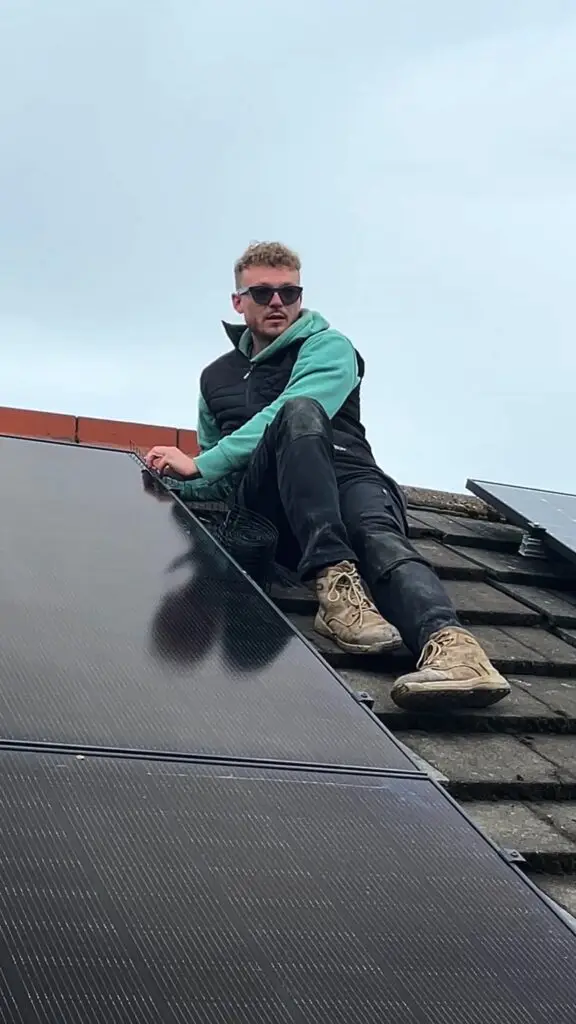
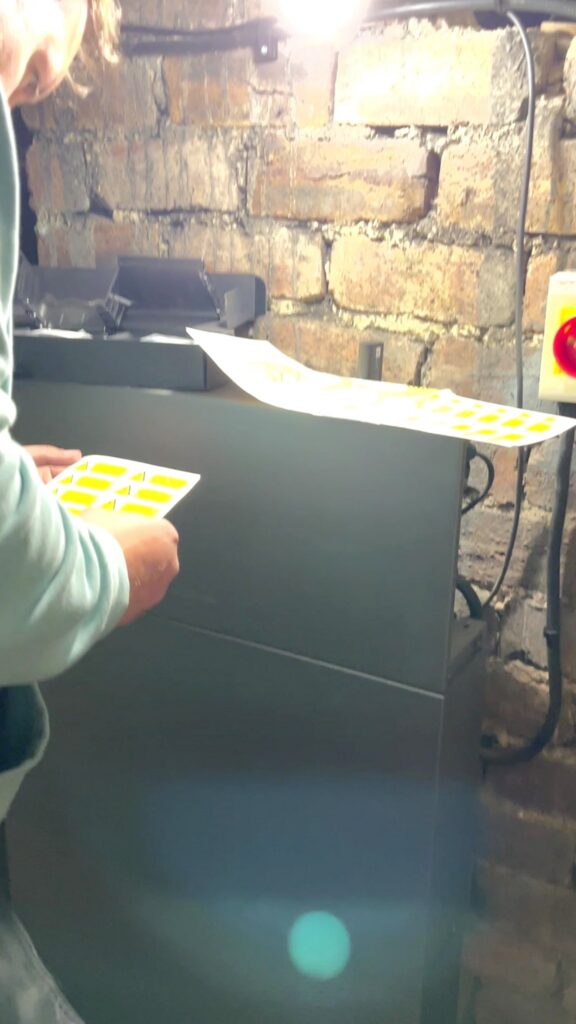
These are real Solar4Scotland job photos. We never publish customers’ details or addresses.
FAQs
It depends on the roof. Cottage flats often share a roof with the neighbouring flat, so you may need their agreement. We can look at your title and building and advise.
Usually, yes. Many have simple pitched roofs with plenty of space, which makes for a straightforward installation.
Yes. We cover all of Clydebank and the surrounding area.
Without a battery, surplus electricity is exported to the grid, and you can be paid for it through a Smart Export Guarantee tariff. A battery lets you keep more of it for yourself.
Solar panels and batteries on homes in Great Britain currently have 0% VAT, scheduled to run until 31 March 2027.
Book a free survey and we will give you a straight answer on whether it suits your home.