
If you drive an electric car, your solar panels have a big new job. Every unit of solar that goes into your car is a unit you do not buy from the grid, and it is usually worth more to you than exporting it. But a home solar system and a car charger work at different speeds, so it helps to understand how they fit together.
How solar EV charging works
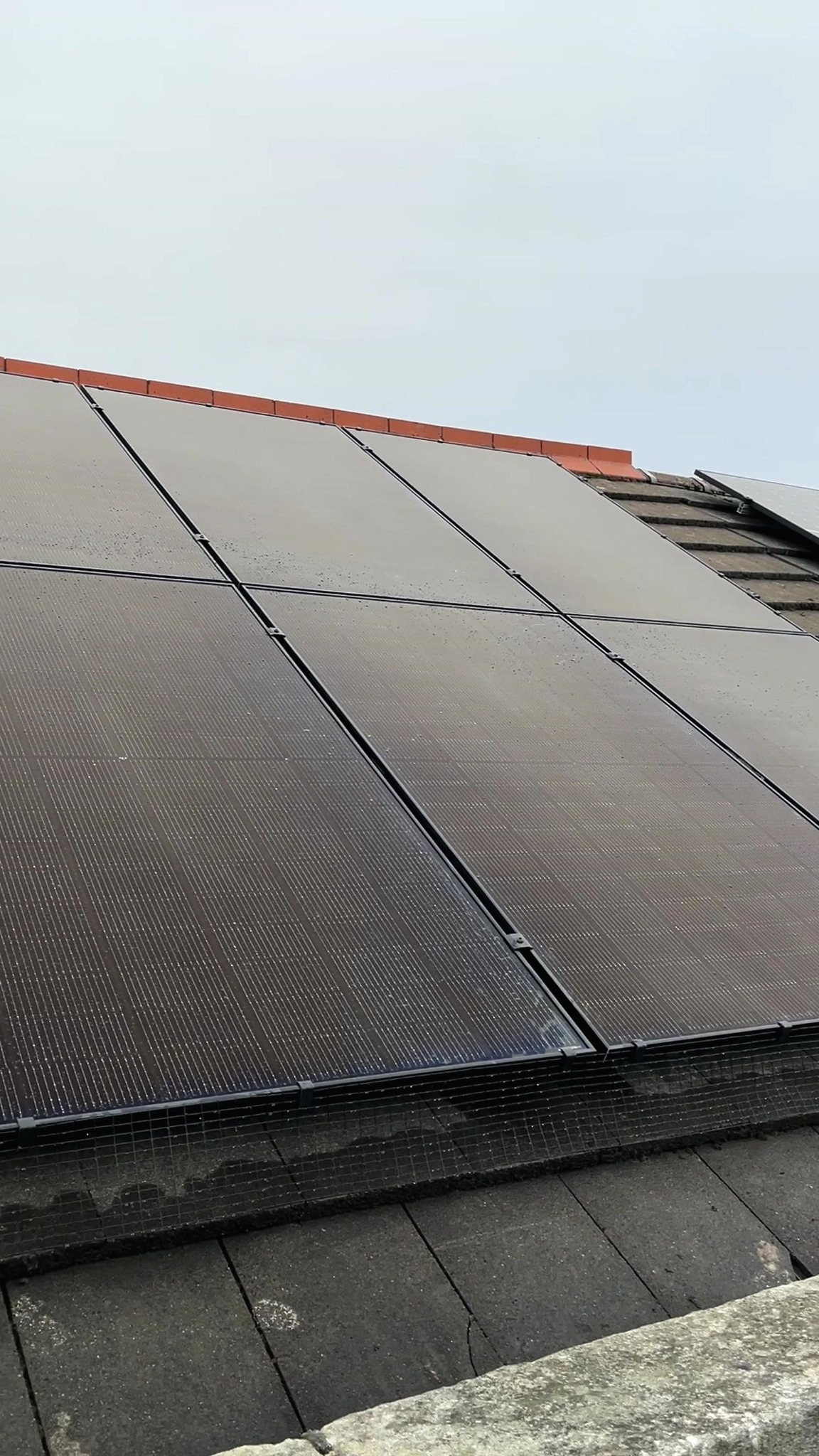
A typical home charger draws around 7 kW. A typical home solar system, including our packages with a 3.68 kW inverter, produces less than that at any moment. So you rarely charge at full speed from the sun alone. Instead, a solar-aware smart charger watches what your panels are producing and sends the spare into your car, speeding up or slowing down as the sun comes and goes.
- Solar-only mode: charges only with spare solar. Slower, but the cheapest.
- Mixed mode: tops up spare solar with some grid power for a steadier charge.
- Fast mode: full speed from the grid when you need the car quickly.
When it works best
- The car is at home during the day, for example if you work from home or have a second car.
- Spring and summer, when long Scottish days give plenty of spare solar.
- You do not need a full battery every day. Topping up regularly suits solar well.
When grid charging makes more sense
If your car is away all day, most of your charging happens at night. Many energy suppliers offer cheap overnight EV tariffs, and charging then is often cheaper than using solar you could have stored for the evening. A home battery can also be charged overnight on a cheap rate, then cover your evening use.
Do I need anything special?
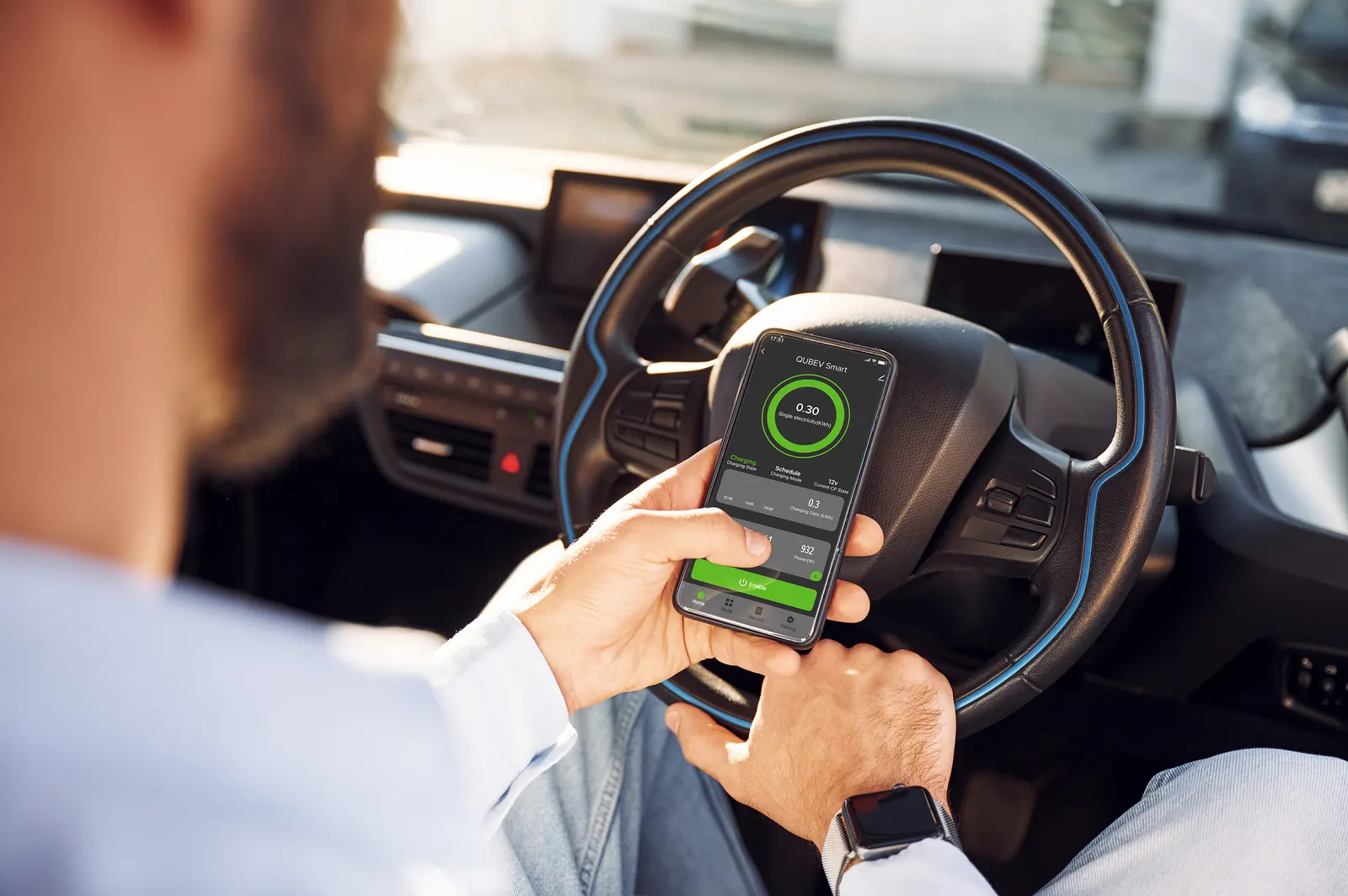
- A smart charger with a solar or surplus mode, plus a sensor to measure your home’s power use.
- A check of your electrics and main fuse, since EV chargers are a big load.
- Notification of your network operator, which your installer handles.
EV charger grants
The UK Government’s OZEV chargepoint grants are now aimed at renters, flat owners and homes with on-street parking, with up to £500 available for applications from 1 April 2026 and funding confirmed until 31 March 2027. Homeowners with their own driveway are no longer eligible for a home charger grant. Check the current rules on GOV.UK before you apply.
See our EV chargers page for how we fit chargers alongside solar.
Planning solar and an EV charger?
We can design both together, so your charger makes the most of your panels. Book a free survey.
Frequently asked questions
Can I charge my electric car from solar panels?
Yes. A solar-aware smart charger sends spare solar into your car. Because home systems produce less than a typical 7 kW charger draws, it usually charges more slowly than from the grid.
Is it cheaper to charge from solar or overnight?
It depends on when your car is home. Spare daytime solar is very cheap to use, but if the car is away all day, a cheap overnight EV tariff is often the better option.
Can I get a grant for a home EV charger?
OZEV grants of up to £500 are available for renters, flat owners and homes with on-street parking until 31 March 2027. Homeowners with a driveway are no longer eligible.