
“Payback” is how many years it takes for the money solar saves and earns you to add up to what you paid for it. After that point, the savings are yours. Anyone who quotes a payback period without asking about your roof and your electricity use is guessing, so here is how to work it out properly.
The basic sum
Payback (years) = what you pay for the system ÷ what it saves and earns you each year.
The cost side is easy: it is your quote. Our most popular packages start from £4,227 + VAT for 6 panels, and most home installations currently qualify for 0% VAT until 31 March 2027. See our prices page for every package.
The savings side has two parts:
- Electricity you use yourself. Every unit your panels power directly is a unit you do not buy. This is worth your full unit rate, the pence per kWh on your bill.
- Electricity you export. Spare power sent to the grid earns the rate on your Smart Export Guarantee tariff, which is usually lower than what you pay to buy electricity.
What makes payback faster or slower
- How much you use at home in the day. If someone is home, or you can run appliances in daylight, you use more of your own power and save more.
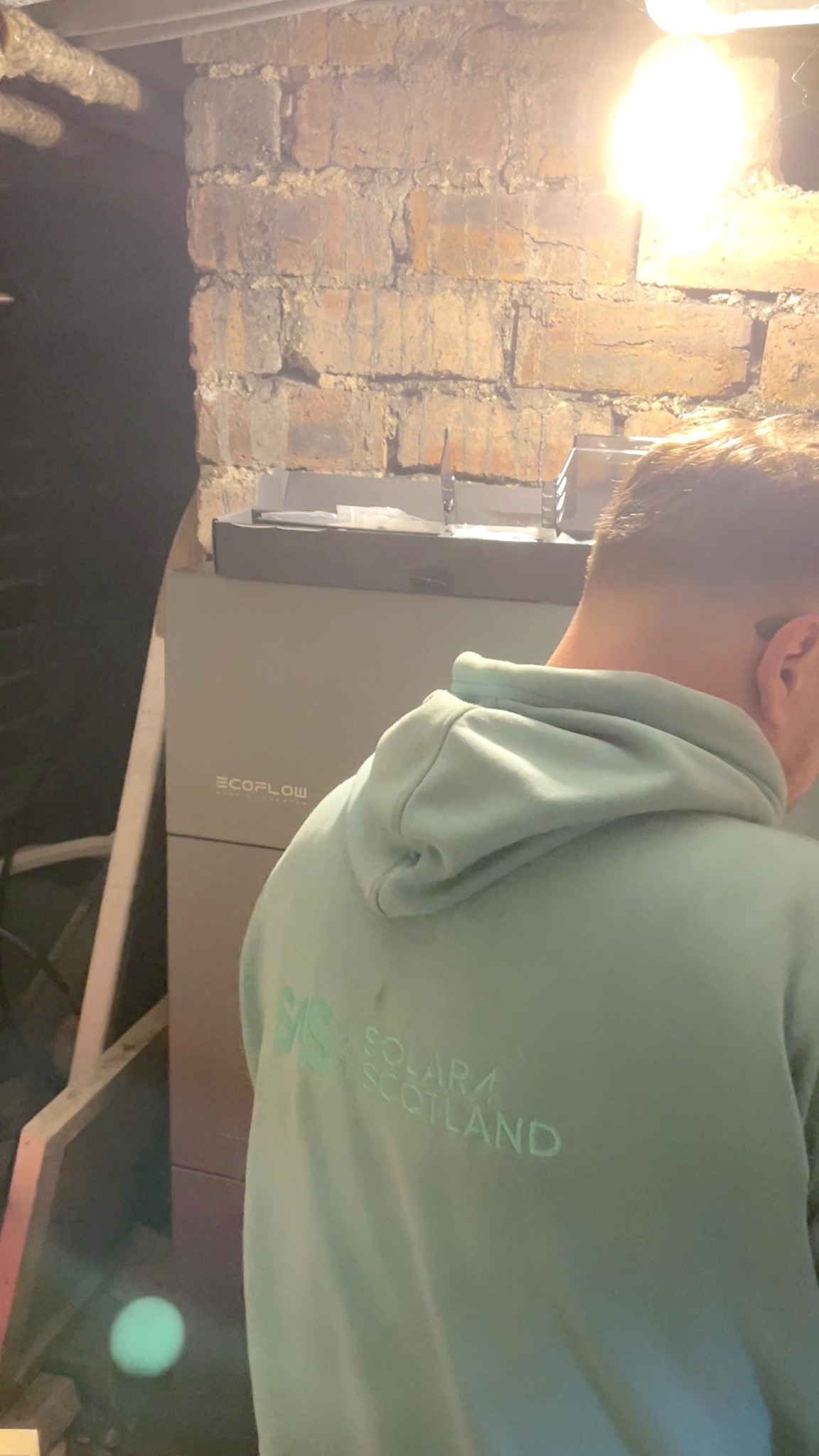
- A battery. A battery stores daytime solar for the evening, so more of it is used at the full value of your unit rate instead of exported. It adds to the cost, so it is worth weighing up. Our guide to battery sizing can help.
- Roof direction and shading. South-facing roofs generate the most, but east-west roofs work well too, especially with a battery.
- Your electricity price. The higher your unit rate, the more each unit of solar saves. When prices rise, payback gets shorter.
- Your export tariff. Rates vary a lot between suppliers, so it pays to compare.
- Bigger loads. An electric car or heat pump gives your solar more to power, which can help payback.
How to estimate your own payback
- Find your annual electricity use in kWh and your unit rate on a recent bill.
- Get an estimate of what your system will generate a year. Your installer works this out from your roof, its direction and shading.
- Estimate what share you will use yourself. That share is higher with a battery and if you are home in the day.
- Multiply the share you use by your unit rate, and the share you export by your export rate. Add the two together.
- Divide your system price by that yearly figure.
Our cost calculator gives you a quick personal estimate. At a free survey we work through the full numbers with you, based on your actual roof.
Do solar panels pay back in Scotland?
Scotland gets less sun than the south of England, but solar panels generate from daylight, not heat, and long Scottish summer days make up for much of the shorter winter. Payback in Scotland is driven far more by how you use your power than by the weather.
Want a payback figure for your home?
We look at your roof, your bills and how you use electricity, and give you a realistic estimate at a free survey.
Frequently asked questions
How long do solar panels take to pay back in Scotland?
It depends on your system cost, how much of the power you use yourself, your electricity unit rate and your export tariff. Divide what you pay by what the system saves and earns each year to get your payback.
Does a battery make payback quicker?
It can. A battery lets you use more of your own solar power instead of exporting it, but it also adds to the upfront cost, so it depends on how you use electricity.
Is there VAT on solar panels?
Most home solar and battery installations currently qualify for 0% VAT until 31 March 2027, which reduces the cost and shortens payback.